
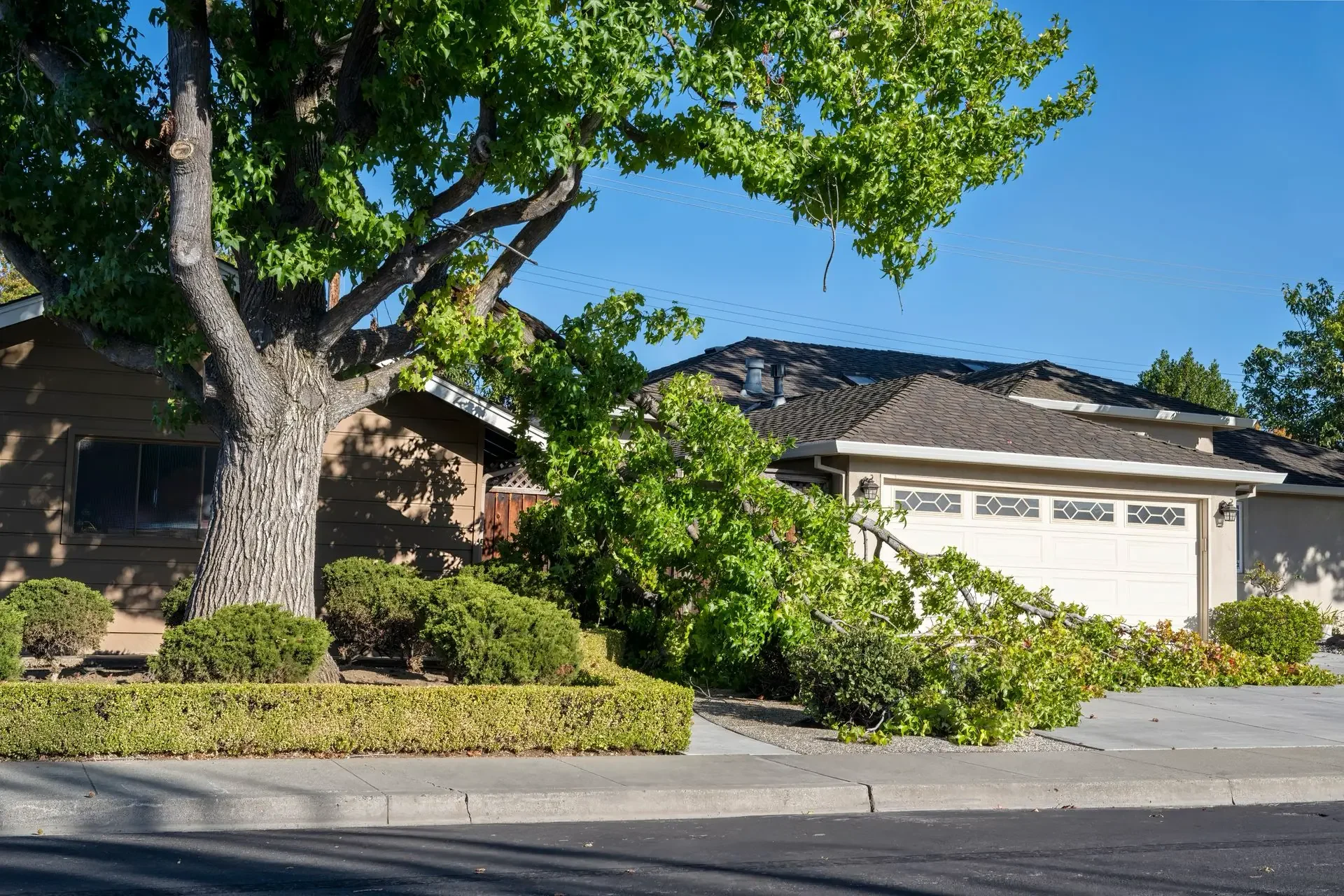
When a tree comes down unexpectedly, it’s rarely a calm situation.
Maybe it was a late-night storm. Maybe high winds split a trunk in half. Maybe a massive limb decided your roof looked like a soft landing pad. Whatever the cause, emergency tree cutting is often fast, loud, and stressful.
But once the chainsaws stop and the immediate danger is removed, a new question pops up:
What happens next?
Let’s walk through what you can realistically expect after emergency tree cutting — and how to move forward without feeling overwhelmed.
First Things First: The Immediate Aftermath
Right after the emergency work is done, the biggest hazard is usually gone. The fallen tree is removed or stabilized. The risk of further structural damage is reduced.
Naturally, homeowners ask: what should homeowners expect immediately after emergency tree cutting?
Here’s what typically happens:
- The tree crew removes the main trunk and large limbs.
- Hazardous hanging branches are cleared.
- The area is secured to prevent further injury.
- Basic debris is consolidated into manageable piles.
Depending on the severity of the situation, you may still see:
- Sawdust across the lawn
- Wood chips scattered near the work zone
- A remaining stump
- Tire tracks from heavy equipment (especially if the ground was wet)
This stage is about safety first. Cosmetic cleanup may come next.
The Cleanup Process
Once the emergency portion is handled, attention turns to cleanup.
A common question is:
How long does cleanup take after emergency tree cutting
The timeline depends on several factors:
- Size of the tree
- Extent of the damage
- Weather conditions
- Accessibility of your yard
- Whether stump grinding is included
For smaller trees, cleanup may be completed the same day. Larger jobs or storm-wide emergencies may require a follow-up visit.
Cleanup can include:
- Hauling away logs and branches
- Chipping smaller debris
- Raking and clearing the affected area
- Stump grinding (if scheduled)
- Light leveling of disturbed soil
If a major storm hit your neighborhood, tree service companies often prioritize urgent safety calls first, then circle back for full cleanup once immediate hazards are addressed.
Patience helps here. After widespread storms, crews are often working nonstop.
The Insurance Conversation
After you’ve had a moment to breathe, you might start thinking about repair costs.
Which leads to the big question:
Does insurance cover damage after emergency tree cutting
In many cases, yes — but it depends.
Homeowners insurance typically covers:
- Tree damage to insured structures (like your house or garage)
- Removal of fallen trees if they caused structural damage
- Certain debris removal costs
Insurance usually does not cover:
- Tree removal if it simply fell in your yard without damaging anything
- Preventative removal of healthy trees
- Landscaping restoration beyond limited coverage
It’s always wise to:
- Take photos before and after the work
- Keep all invoices and receipts
- Contact your insurance provider promptly
- Ask about deductible amounts
Every policy is different, so a quick call to your agent can clarify what’s covered.
What About Permits?
After the chaos settles, you might wonder about regulations.
Especially if the tree was large or protected.
So here’s the next question: are permits required after emergency tree cutting is completed?
In many municipalities, emergency removal of hazardous trees does not require prior approval. Safety comes first.
However:
- Some cities require documentation after removal.
- Protected or heritage trees may have reporting requirements.
- If you plan to replant or remove additional trees, permits may apply.
If you’re unsure, check with your local city or county office. A reputable tree service company can often guide you through local requirements.
Lawn and Landscape Recovery
Let’s talk about what your yard might look like afterward.
Heavy equipment may compact soil. You might notice:
- Flattened grass
- Minor ruts
- Disturbed flower beds
- Exposed roots from nearby plants
The good news? Lawns are resilient.
In many cases, recovery simply involves:
- Aerating compacted soil
- Adding fresh topsoil
- Reseeding affected areas
- Regular watering
If the tree that fell provided shade, you may even notice changes in how grass grows moving forward. More sunlight can mean thicker grass — or sometimes new weeds.
It’s an adjustment period, but your yard can bounce back.
Emotional Side of Tree Loss
This part doesn’t get talked about enough.
Sometimes the fallen tree wasn’t just a tree. It may have been:
- Planted when you moved in
- A childhood climbing tree
- A privacy shield from neighbors
- A centerpiece of your landscaping
Losing it can feel personal.
It’s okay to acknowledge that. Trees hold memories.
When you’re ready, consider replanting. A new tree can symbolize recovery and renewal after the storm.
Planning the Next Steps
After emergency tree cutting, you may want to think proactively.
Consider:
- Having nearby trees inspected for structural weakness
- Trimming overhanging branches before storm season
- Scheduling routine maintenance to reduce future risks
Preventative care is far less stressful than emergency calls.
Need Help After Emergency Tree Cutting?
Emergency tree cutting is intense in the moment. But once the immediate danger is gone, the next steps become manageable.
Expect debris cleanup, possible insurance conversations, and maybe a little yard recovery work. Permits are rarely required for true emergencies, but it’s always wise to double-check locally.
Most importantly, give yourself time to reset. Storm damage can feel chaotic, but with the right team, your property can be restored safely and efficiently.
At Green Leaf Tree Service, we’ve helped countless homeowners through these exact situations. We know how stressful it can be, and we approach every emergency call with urgency, care, and respect for your property.
If you ever find yourself facing storm damage or a hazardous tree, we’re here to guide you through every step — from the first cut to the final cleanup.