
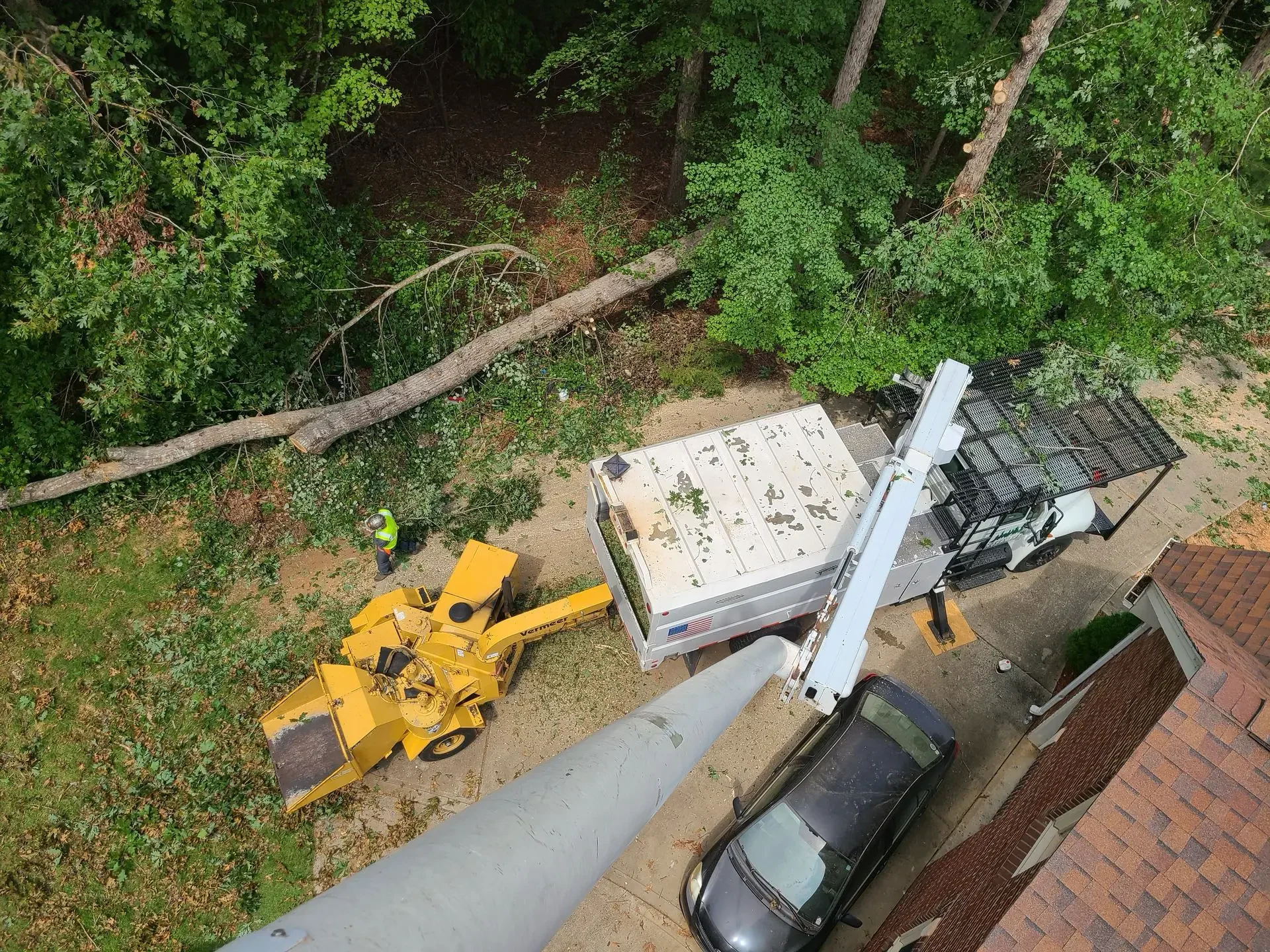
Emergency tree removal is one of the most intense and unpredictable tasks in the tree care industry. Crews don’t get the luxury of slow planning or perfect conditions. They show up to chaotic scenes, often during storms, after high winds, or when a heavy branch has crashed onto a home or road. In these moments, every decision matters. The speed and accuracy of those decisions determine safety, property protection, and whether the removal goes smoothly or spirals into additional damage.
Homeowners often see crews working fast, communicating in short phrases, and making rapid adjustments. But behind that fast pace is a very deliberate process. Tree professionals follow specific assessments, safety priorities, and action sequences to prevent serious risks.
Even though these choices are made quickly, they’re rooted in training, experience, and an understanding of how trees behave under stress.
How Do Tree Removal Crews Assess Danger During Emergency Situations?
During an emergency call, the first few minutes on-site are the most important. Before any equipment comes out, crews do a rapid but very thorough safety assessment that determines everything that happens next. They start by identifying the biggest threats and establishing the safest working zone.
The most common dangers crews evaluate include:
1. Structural Damage
If a tree has fallen on a home, vehicle, fence, or power line, the crew checks whether the object is stable or shifting. Any movement can create a secondary collapse.
2. Tree Tension and Compression
Storm-damaged trees often hold massive amounts of “stored energy.” Branches can snap unexpectedly, and trunks can roll or shift as soon as they’re cut.
3. Overhead Hazards
Broken limbs lodged high in the canopy also called widowmakers can fall at any time. Crews scan above before doing anything on the ground.
4. Ground Stability
Flooded soil, erosion, or uprooted roots create conditions where the tree can roll or sink. Crews identify these hazards immediately.
5. Utility Interference
Downed power lines or even nearby lines drastically change the removal approach. No cutting begins until utilities are verified safe.
This initial danger scan happens fast, but it sets the tone for the entire removal. Crews must understand the exact conditions they’re working with because mistakes during emergencies can be severe. Once they gather the essential information, they move on to analyzing the tree’s behavior and determining how to control it safely.
What Factors Influence the Choices Crews Make When Handling Fallen or Unstable Trees?
Every emergency tree removal is different. Even two trees that fall in similar ways may react completely differently once cutting begins. That’s why crews rely on a set of influencing factors to guide their decisions.
1. Tree Species and Wood Behavior
Some trees split easily under pressure. Others bend before breaking. Understanding how different species react to chainsaw cuts helps crews avoid dangerous surprises.
2. Weight Distribution
Crews study where the tree’s weight is leaning. A trunk leaning in one direction may suddenly shift once a cut releases pressure.
3. Surrounding Structures
Houses, sheds, fences, and vehicles affect the cutting strategy. Crews choose techniques that prevent additional property damage.
4. Root Stability
Uprooted trees can act like giant levers. If the root ball is still attached, lowering sections of the trunk could cause it to stand back up or roll.
5. Weather and Ground Conditions
Wet ground, wind gusts, icy surfaces, or heavy rain change how crews move and what equipment they can safely use.
6. Required Equipment
Not every emergency scene allows for bucket trucks or cranes. Narrow lots, steep slopes, or storm debris may limit what machinery crews can bring in.
7. Accessibility and Escape Routes
Professionals always establish safe exit paths in case a tree shifts suddenly. If the scene doesn’t allow easy movement, the strategy adjusts immediately.
These factors blend together as the crew determines the safest method. It’s a constant balancing act between efficiency, control, and safety. Even small details—like the angle of a branch or the type of storm that caused the fall—can dramatically influence their choices.
How Do Professionals Determine the Safest Sequence of Actions During Emergency Tree Removal?
Emergency removal is like solving a complex puzzle. There is a correct order for taking down each section of a damaged tree, and crews must determine that sequence quickly and confidently. Cutting the wrong piece first can release tension in a way that sends another limb flying or causes the entire tree to shift unexpectedly.
Professionals rely on a structured approach:
1. Identify the Most Dangerous Section First
They start by stabilizing or removing limbs that pose immediate danger. If a large, cracked limb is hanging above, that becomes the top priority.
2. Create Control Points
Crews may use ropes, pulleys, or rigging systems to secure sections of the tree before making any cuts. This prevents sudden movement.
3. Work From Least Risk to Greatest Risk
They remove smaller, predictable branches before moving to the heavy, tension-loaded sections. This reduces the stress that remains in the tree.
4. Avoid Cuts That Release Stored Energy Too Early
Professionals understand where compression and tension forces exist. Cutting in the wrong spot can cause explosive movement.
5. Adjust the Plan as the Tree Changes
Trees shift as pieces are removed. Crews constantly re-evaluate stability and change the sequence as needed.
6. Protect People and Property
If a tree is resting on a home, the crew may build temporary supports or rigging systems before making any cuts to prevent collapse.
The sequence is rarely linear. It evolves throughout the job. But the goal remains the same: maintain control of the tree at every step.
What Risks Crews Consider First When Responding to Urgent Tree Hazards
Emergency tree work is filled with risks, but some dangers demand immediate attention. These high-priority risks shape the entire response, and professionals are trained to identify them instantly.
The first risks crews consider include:
- Electrical hazards – Trees in contact with power lines are life-threatening. No removal begins until the utility company confirms the lines are safe.
- Instability of the tree or surrounding structures – If a tree is shifting or a roof is sagging, crews must stabilize the area first.
- Tension-loaded limbs and trunks – These can snap violently as soon as they’re cut.
- Falling debris – Overhead limbs or cracked branches above the crew can fall without warning.
- Limited access and escape routes – If workers can’t move freely, they reassess the entire approach.
- Weather and environmental hazards – Ongoing storms, wind, lightning, or heavy rain can turn a dangerous situation even worse.
Crews prioritize these risks because they can escalate instantly. A tree under tension can behave unpredictably, and structures damaged by the impact can collapse when the tree shifts. Identifying these threats early allows the crew to build a safe removal plan.
Professionals also consider the condition of the homeowner’s property. Even in emergencies, the goal is to prevent additional damage while removing the hazard as safely as possible.
Trust Green Leaf Tree Service for Safe and Fast Emergency Tree Removal
When a tree falls or becomes unstable, you don’t have time to second-guess your next step. Emergency situations demand trained professionals who can assess danger quickly and take action without putting your home or your family at risk. Green Leaf Tree Service responds with the skill, equipment, and experience needed to handle high-risk removals safely and efficiently.
If you’re dealing with a fallen tree, storm damage, or a hazard that needs urgent attention, our team is ready to help. Reach out today and let us restore safety to your property with fast, reliable emergency tree removal services.Emergency tree removal is one of the most intense and unpredictable tasks in the tree care industry. Crews don’t get the luxury of slow planning or perfect conditions. They show up to chaotic scenes, often during storms, after high winds, or when a heavy branch has crashed onto a home or road. In these moments, every decision matters. The speed and accuracy of those decisions determine safety, property protection, and whether the removal goes smoothly or spirals into additional damage.
Homeowners often see crews working fast, communicating in short phrases, and making rapid adjustments. But behind that fast pace is a very deliberate process. Tree professionals follow specific assessments, safety priorities, and action sequences to prevent serious risks.
Even though these choices are made quickly, they’re rooted in training, experience, and an understanding of how trees behave under stress.
How Do Tree Removal Crews Assess Danger During Emergency Situations?
During an emergency call, the first few minutes on-site are the most important. Before any equipment comes out, crews do a rapid but very thorough safety assessment that determines everything that happens next. They start by identifying the biggest threats and establishing the safest working zone.
The most common dangers crews evaluate include:
1. Structural Damage
If a tree has fallen on a home, vehicle, fence, or power line, the crew checks whether the object is stable or shifting. Any movement can create a secondary collapse.
2. Tree Tension and Compression
Storm-damaged trees often hold massive amounts of “stored energy.” Branches can snap unexpectedly, and trunks can roll or shift as soon as they’re cut.
3. Overhead Hazards
Broken limbs lodged high in the canopy also called widowmakers can fall at any time. Crews scan above before doing anything on the ground.
4. Ground Stability
Flooded soil, erosion, or uprooted roots create conditions where the tree can roll or sink. Crews identify these hazards immediately.
5. Utility Interference
Downed power lines or even nearby lines drastically change the removal approach. No cutting begins until utilities are verified safe.
This initial danger scan happens fast, but it sets the tone for the entire removal. Crews must understand the exact conditions they’re working with because mistakes during emergencies can be severe. Once they gather the essential information, they move on to analyzing the tree’s behavior and determining how to control it safely.
What Factors Influence the Choices Crews Make When Handling Fallen or Unstable Trees?
Every emergency tree removal is different. Even two trees that fall in similar ways may react completely differently once cutting begins. That’s why crews rely on a set of influencing factors to guide their decisions.
1. Tree Species and Wood Behavior
Some trees split easily under pressure. Others bend before breaking. Understanding how different species react to chainsaw cuts helps crews avoid dangerous surprises.
2. Weight Distribution
Crews study where the tree’s weight is leaning. A trunk leaning in one direction may suddenly shift once a cut releases pressure.
3. Surrounding Structures
Houses, sheds, fences, and vehicles affect the cutting strategy. Crews choose techniques that prevent additional property damage.
4. Root Stability
Uprooted trees can act like giant levers. If the root ball is still attached, lowering sections of the trunk could cause it to stand back up or roll.
5. Weather and Ground Conditions
Wet ground, wind gusts, icy surfaces, or heavy rain change how crews move and what equipment they can safely use.
6. Required Equipment
Not every emergency scene allows for bucket trucks or cranes. Narrow lots, steep slopes, or storm debris may limit what machinery crews can bring in.
7. Accessibility and Escape Routes
Professionals always establish safe exit paths in case a tree shifts suddenly. If the scene doesn’t allow easy movement, the strategy adjusts immediately.
These factors blend together as the crew determines the safest method. It’s a constant balancing act between efficiency, control, and safety. Even small details—like the angle of a branch or the type of storm that caused the fall—can dramatically influence their choices.
How Do Professionals Determine the Safest Sequence of Actions During Emergency Tree Removal?
Emergency removal is like solving a complex puzzle. There is a correct order for taking down each section of a damaged tree, and crews must determine that sequence quickly and confidently. Cutting the wrong piece first can release tension in a way that sends another limb flying or causes the entire tree to shift unexpectedly.
Professionals rely on a structured approach:
1. Identify the Most Dangerous Section First
They start by stabilizing or removing limbs that pose immediate danger. If a large, cracked limb is hanging above, that becomes the top priority.
2. Create Control Points
Crews may use ropes, pulleys, or rigging systems to secure sections of the tree before making any cuts. This prevents sudden movement.
3. Work From Least Risk to Greatest Risk
They remove smaller, predictable branches before moving to the heavy, tension-loaded sections. This reduces the stress that remains in the tree.
4. Avoid Cuts That Release Stored Energy Too Early
Professionals understand where compression and tension forces exist. Cutting in the wrong spot can cause explosive movement.
5. Adjust the Plan as the Tree Changes
Trees shift as pieces are removed. Crews constantly re-evaluate stability and change the sequence as needed.
6. Protect People and Property
If a tree is resting on a home, the crew may build temporary supports or rigging systems before making any cuts to prevent collapse.
The sequence is rarely linear. It evolves throughout the job. But the goal remains the same: maintain control of the tree at every step.
What Risks Crews Consider First When Responding to Urgent Tree Hazards
Emergency tree work is filled with risks, but some dangers demand immediate attention. These high-priority risks shape the entire response, and professionals are trained to identify them instantly.
The first risks crews consider include:
- Electrical hazards – Trees in contact with power lines are life-threatening. No removal begins until the utility company confirms the lines are safe.
- Instability of the tree or surrounding structures – If a tree is shifting or a roof is sagging, crews must stabilize the area first.
- Tension-loaded limbs and trunks – These can snap violently as soon as they’re cut.
- Falling debris – Overhead limbs or cracked branches above the crew can fall without warning.
- Limited access and escape routes – If workers can’t move freely, they reassess the entire approach.
- Weather and environmental hazards – Ongoing storms, wind, lightning, or heavy rain can turn a dangerous situation even worse.
Crews prioritize these risks because they can escalate instantly. A tree under tension can behave unpredictably, and structures damaged by the impact can collapse when the tree shifts. Identifying these threats early allows the crew to build a safe removal plan.
Professionals also consider the condition of the homeowner’s property. Even in emergencies, the goal is to prevent additional damage while removing the hazard as safely as possible.
Trust Green Leaf Tree Service for Safe and Fast Emergency Tree Removal
When a tree falls or becomes unstable, you don’t have time to second-guess your next step. Emergency situations demand trained professionals who can assess danger quickly and take action without putting your home or your family at risk. Green Leaf Tree Service responds with the skill, equipment, and experience needed to handle high-risk removals safely and efficiently.
If you’re dealing with a fallen tree, storm damage, or a hazard that needs urgent attention, our team is ready to help. Reach out today and let us restore safety to your property with fast, reliable emergency tree removal services.