
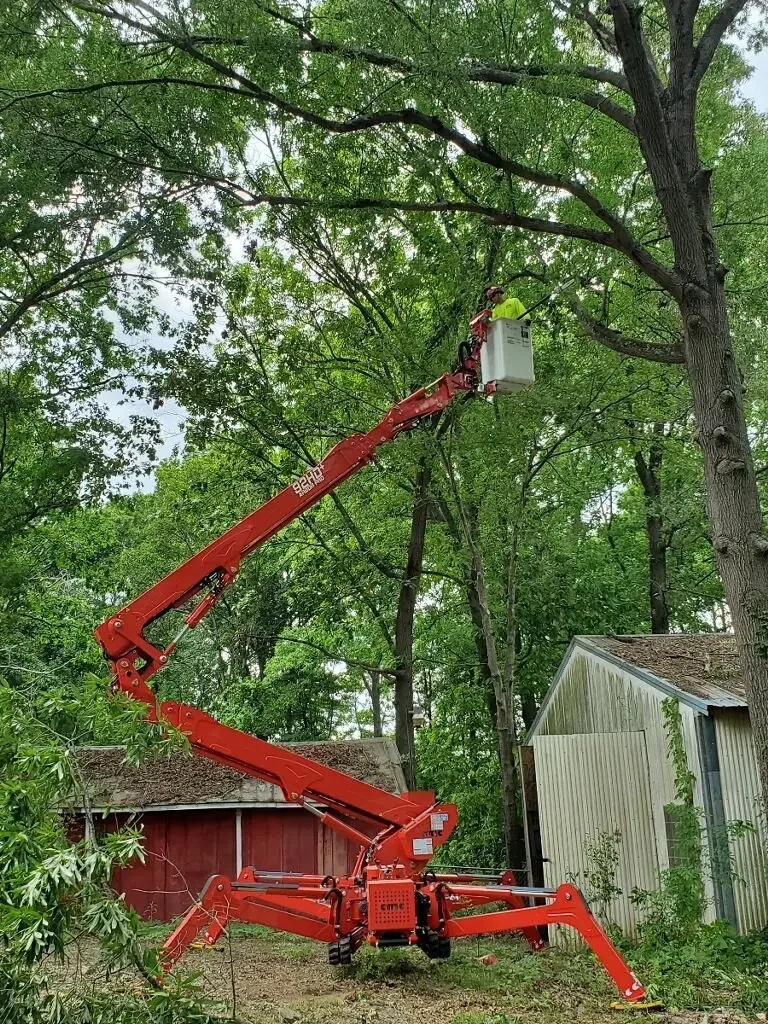
Trees may look fine from a distance, but that does not always mean they are getting the care they need. Letting branches grow too long or too wild can lead to bigger problems over time. That is why understanding the right tree trimming frequency matters.
Regular trimming helps improve tree health, shape, safety, and overall appearance. It can also prevent weak limbs from becoming a hazard during storms or high winds. If you are thinking about tree trimming services, knowing when to trim makes a big difference.
For homeowners searching for tree trimming services in Charlotte, NC, a good schedule can keep trees looking their best.
How Often Should Trees Be Trimmed or Pruned?
The tree trimming frequency in Charlotte, NC largely depends on the species of tree and the goals you have for its care. Generally speaking, most trees should be pruned or trimmed once a year, though some may require more frequent attention. Here’s a breakdown of how often trees need trimming:
- Young Trees: For young trees, trimming is essential for shaping and ensuring strong structure. These trees may need to be pruned once a year to remove any competing branches and encourage healthy growth.
- Mature Trees: Older, established trees may not need as frequent trimming, but they should still be checked for dead or diseased branches annually. Some trees, like flowering trees, may benefit from more frequent trimming to maintain their shape and health.
- Specific Needs: Certain trees, like fruit trees, may require trimming more than once a year to promote healthy fruit production, remove deadwood, and shape the tree.
In general, the tree trimming services in Charlotte, NC, you choose should be based on the species, age, and condition of your trees.
What Time of Year Is Best for Tree Trimming?
The timing of your tree trimming can significantly impact the health and growth of your trees. Here’s when it’s best to trim:
- Late Winter to Early Spring: The best time to trim most trees is in late winter or early spring, just before the growing season begins. This ensures that the tree is still dormant, reducing stress on the tree and promoting healthy growth as it enters its active growing phase. Additionally, trimming in this period allows you to remove dead or diseased branches before the tree starts to put out new growth.
- Summer: Some trees can be trimmed during the summer, especially if you’re removing deadwood or branches that are causing damage. However, summer trimming should be done cautiously, as trimming during active growth can harm the tree or leave it vulnerable to pests and diseases.
- Fall: Fall is typically not the best time for tree trimming, as it’s the end of the growing season, and trees are preparing for dormancy. Pruning during this period can leave the tree more susceptible to diseases and harsh winter conditions. However, light pruning to remove deadwood can be done if necessary.
For optimal results, it’s essential to align your tree trimming services in Charlotte, NC with the tree’s natural growth cycle. You can also reference a tree care calendar to better plan seasonal maintenance.
Can Trimming Too Often Damage a Tree?
Yes, trimming too often can potentially damage your tree. While regular trimming is important, excessive pruning can stress the tree, stunt its growth, and even make it more susceptible to pests and diseases. Here’s why:
- Loss of Energy: Trees rely on their leaves for photosynthesis, which helps them generate the energy they need to grow. If you trim too often, you reduce the number of leaves the tree can produce, which may hinder its growth and overall health.
- Weakened Structure: Over-pruning can lead to the removal of healthy branches that contribute to the tree’s structural integrity. This can cause the tree to become weak and unstable, making it more likely to break or fall during storms.
- Increased Vulnerability: Trimming too much can expose the tree to diseases and pests, as open cuts provide an entry point for harmful organisms. Trees that are over-trimmed may also struggle to heal, leading to long-term damage.
It’s important to find the right balance when it comes to trimming frequency, and always consult a professional if you’re unsure about how much trimming your tree needs.
Do All Trees Need Regular Trimming?
Not all trees need regular trimming, but many benefit from it to stay healthy and look their best. Here’s how different trees typically need trimming:
- Deciduous Trees: Deciduous trees, like maples, oaks, and elms, benefit from regular trimming to remove dead branches, improve airflow, and shape the tree. This helps prevent disease and allows the tree to grow more efficiently.
- Evergreens: Evergreens, like pines and spruces, require less frequent trimming, but occasional pruning is necessary to remove dead or damaged branches. Over-pruning can affect the natural shape of the tree, so careful attention is needed.
- Fruit Trees: Fruit trees require more frequent trimming to encourage fruit production, remove unwanted branches, and ensure a strong, healthy tree. Pruning is especially important in early spring before the growing season begins.
- Ornamental Trees: Ornamental trees, like flowering trees, often require more frequent shaping and trimming to maintain their aesthetic value. Pruning them too much, however, can reduce their flowering potential.
According to the USDA Forest Service tree care guidance, proper pruning practices are essential for long-term tree health and structural stability.
How Do I Know If My Tree Needs Trimming Now?
It’s important to inspect your tree regularly to determine whether it needs trimming services in Charlotte, NC. Here are some signs that it may be time to trim:
- Dead or Diseased Branches: If you notice dead, broken, or diseased branches, it’s essential to trim them away to prevent further damage and disease spread. Removing these branches will also improve the overall health of the tree.
- Overgrown Branches: If the tree’s branches are growing too close to structures like buildings, power lines, or fences, it’s time for a trim to prevent damage and reduce the risk of accidents.
- Weak Structure: If the tree has a weak structure with branches that cross each other or are growing in awkward directions, trimming can help improve the tree’s shape and stability.
- Poor Growth: If your tree isn’t growing as it should, trimming can sometimes stimulate new growth by removing competing branches and allowing the tree to focus on its strongest parts.
If you’re unsure whether your tree needs trimming, it’s always best to consult a professional. Tree inspections can provide a thorough evaluation and recommend the best course of action.
Is Annual Tree Trimming Necessary?
For most trees, annual tree trimming is not only necessary but beneficial for maintaining health and appearance. Here’s why:
- Routine Maintenance: Annual trimming helps prevent the growth of diseased or damaged branches, which can become a hazard if left unchecked. Regular trimming also promotes healthy new growth and enhances the tree’s overall structure.
- Aesthetic Value: If you’re looking to maintain your tree’s shape and size, annual trimming ensures that your tree remains attractive and doesn’t become overgrown or misshapen.
- Disease Prevention: Trimming annually can also help prevent the spread of pests or diseases. Removing dead or diseased branches ensures that your tree stays healthy and free from infections.
While some trees may not require annual trimming, it’s a good idea to schedule a tree trimming service in Charlotte, NC at least once a year to keep your trees in top condition.
What Happens If You Never Trim Your Trees?
Failing to trim your trees regularly can lead to several issues that affect their health and safety. Here’s what could happen if you never trim your trees:
- Overgrowth: Without regular trimming, trees can become overgrown, causing branches to crowd each other. This leads to poor air circulation, which increases the likelihood of disease and pest infestations.
- Weak Structure: Untrimmed trees may develop weak structures, especially if there are competing branches or limbs that cross each other. This can make the tree more vulnerable to falling during storms or heavy winds.
- Disease and Pests: Overgrown trees with dead or damaged branches are more likely to harbor pests and diseases, which can spread to other parts of the tree or nearby plants.
- Aesthetic Decline: Untrimmed trees can lose their shape and aesthetic appeal. They may become unsightly and less attractive, which can affect the overall look of your yard or property.
In short, neglecting tree trimming can lead to long-term problems, both for the health of the tree and the safety of your property. Regular trimming helps keep your trees healthy and thriving.
Conclusion
Regular tree trimming is essential for maintaining healthy, vibrant trees and preventing potential hazards.
By understanding the tree trimming frequency and knowing when your trees need trimming, you can ensure they continue to thrive and enhance the beauty of your property.
Whether you need tree trimming services in Charlotte, NC, annually or on a case-by-case basis, regular maintenance will keep your trees strong and looking their best.
Give Your Trees the Care They Need to Thrive
Healthy, well-shaped trees can make your whole property look better while also reducing safety risks. Regular trimming helps remove weak branches, support stronger growth, and keep your landscape looking clean and cared for.
Whether your trees need seasonal upkeep or a one-time trim, the right service can make a big difference. Green Leaf Tree Service provides tree trimming services in Charlotte, NC homeowners can count on for dependable care and lasting results.
If you want better-looking trees and a healthier yard overall, now is a great time to schedule a consultation.