
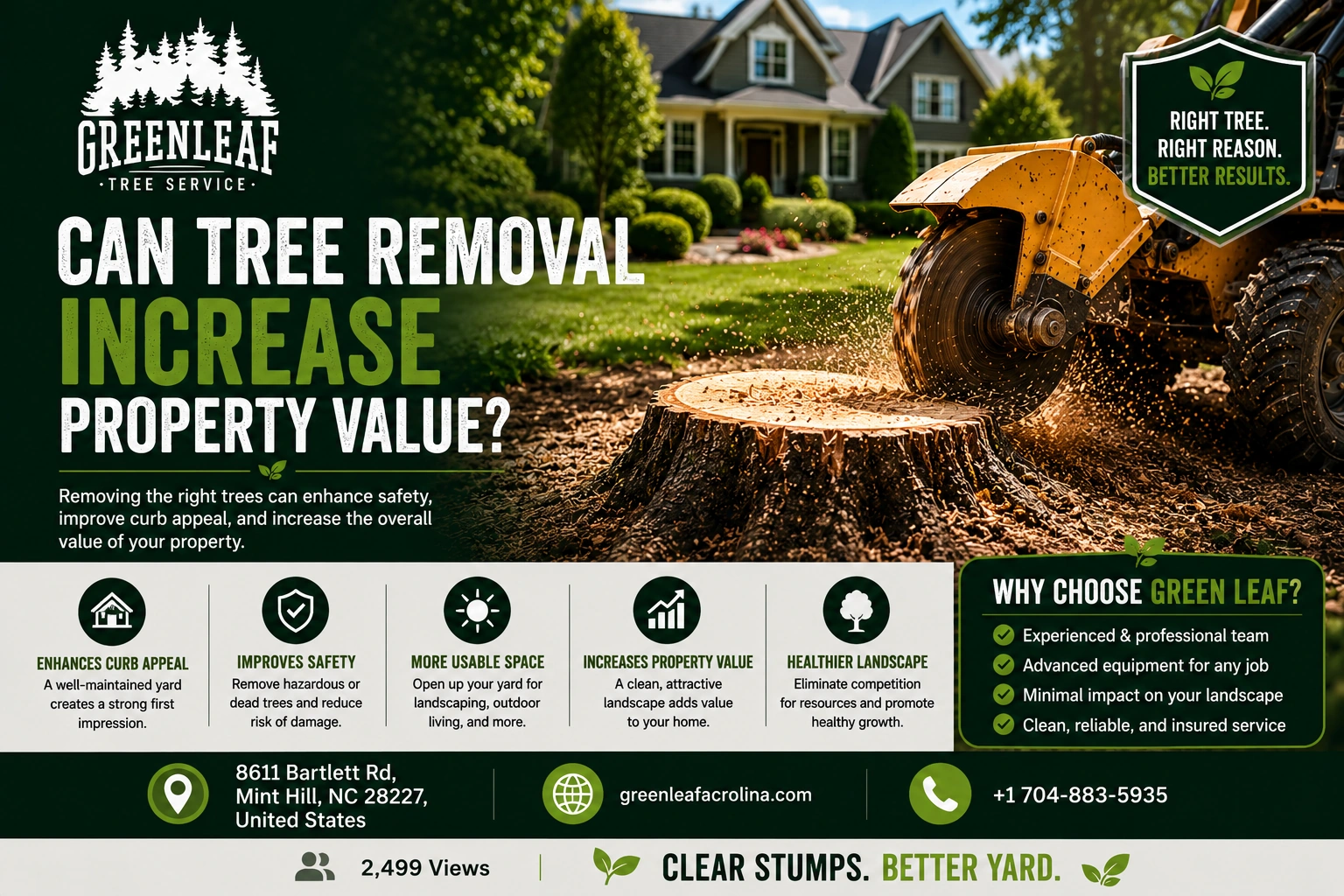
Trees are often considered valuable assets in residential landscapes. They provide shade, beauty, privacy, and environmental benefits that can enhance a property’s appeal. However, not every tree contributes positively to a home’s value. In some situations, damaged, diseased, poorly placed, or hazardous trees may negatively affect curb appeal, safety, and even buyer confidence.
Increase Property Value With Expert Tree Removal
Clear out damaged, dying, or unwanted trees to enhance your property's beauty and value. Call today for trusted local service.
Fast Answer: Can Tree Removal Increase Property Value?
Yes, tree removal can increase property value in certain situations. Removing a dead, hazardous, diseased, or poorly located tree may improve curb appeal, reduce safety concerns, eliminate maintenance issues, and make a property more attractive to potential buyers.
However, removing a healthy, mature tree is not always beneficial. Well-maintained trees often provide shade, privacy, energy-saving benefits, and visual appeal that many homeowners value.
The key is determining whether a tree contributes positively to the property or creates risks that may outweigh its benefits.
How Trees Affect Property Value
Trees can both increase and decrease property value depending on their condition and placement.
Healthy, mature trees often provide benefits that many homeowners and buyers find desirable. Well-maintained trees can create attractive landscapes, improve outdoor comfort, and contribute to a property’s overall character.
Shade
Large shade trees can help cool outdoor living spaces and reduce heat exposure around the home. This added comfort is often viewed positively by homeowners and prospective buyers.
Energy Savings
Strategically located trees may help reduce cooling demands during warmer months by shading portions of the home and surrounding landscape.
Privacy
Trees can serve as natural visual barriers between neighboring properties, creating a greater sense of privacy.
Landscape Appeal
Mature trees often add dimension, texture, and visual interest to residential landscapes. Their presence can contribute to a well-established appearance that many buyers appreciate.
However, trees that are neglected, damaged, or poorly located may have the opposite effect. Dead branches, visible decay, excessive overgrowth, or trees positioned too close to structures can create concerns that negatively influence buyer perception.
When a Damaged Tree Becomes a Liability
In many cases, a dead, diseased, unstable, or structurally compromised tree may become a significant liability for both homeowners and potential buyers.
One of the primary concerns involves falling limbs. Large branches that appear weakened or damaged can break unexpectedly during storms or high winds, potentially causing injury or property damage.
Additional concerns may include:
- Damage to roofs, vehicles, fences, and structures
- Safety risks to occupants and visitors
- Obstructed driveways or walkways
- Increased maintenance requirements
- Concerns about future repair expenses
Insurance considerations may also influence buyer perception. While every insurance provider has different requirements, visible tree hazards can raise questions about potential claims and future risks.
Even before a problem occurs, a visibly declining tree may make buyers wonder what additional maintenance issues exist elsewhere on the property.
What Homeowners Should Evaluate Before Removal
Before deciding to remove a tree, homeowners should carefully evaluate several important factors.
Tree Health
The overall condition of the tree is one of the most important considerations. Healthy trees often provide long-term value, while declining trees may require corrective action.
Tree Species
Different tree species have varying growth habits, lifespans, structural characteristics, and maintenance requirements. Some species are more likely to create future concerns than others.
Location
A tree’s location significantly influences whether it enhances or detracts from property value. Trees growing too close to structures, driveways, utility lines, or septic systems may create challenges over time.
Structural Condition
Visible leaning, major trunk defects, extensive decay, or large dead limbs may indicate structural concerns that warrant professional evaluation.
Proximity to Structures
Trees positioned near roofs, foundations, garages, or other structures may increase maintenance needs or create potential risks if they become damaged.
Long-Term Landscape Goals
Future plans for outdoor living spaces, landscaping renovations, additions, pools, or construction projects can influence whether preserving or removing a tree makes the most sense.
It is important to remember that not every large tree should automatically be removed. In many cases, maintaining a healthy mature tree may provide greater long-term value than removing it.
When Tree Removal Can Improve Curb Appeal
There are situations where removing a tree can noticeably improve a property’s appearance.
Dead or Dying Trees
Dead trees often stand out in otherwise healthy landscapes. Their appearance can make a property seem neglected and may reduce buyer confidence.
Severely Overgrown Trees
Trees that dominate the landscape, obstruct views, or create excessive shade can sometimes make outdoor spaces feel crowded and unbalanced.
Trees Blocking Desirable Views
In some situations, strategic tree removal can improve sightlines and highlight attractive landscape features, outdoor living spaces, or architectural elements.
Trees Crowding the Landscape
When multiple trees compete for space, selective removal may improve the appearance and health of the remaining landscape.
Trees Causing Visible Property Damage
Roots disrupting walkways, branches scraping roofs, or trees damaging fences can detract from a property’s appearance and functionality.
By improving visibility, reducing clutter, and restoring balance to the landscape, tree removal may enhance curb appeal and marketability when problem trees are involved.
Risks of Removing a Healthy Tree
While removing a hazardous tree can provide clear benefits, removing a healthy tree may also create unintended consequences.
Loss of Shade
Eliminating a mature shade tree can expose portions of the home and yard to increased sunlight, potentially affecting outdoor comfort.
Increased Cooling Costs
Less shade may contribute to higher cooling demands during warmer months.
Reduced Privacy
Trees often provide natural screening that cannot be immediately replaced after removal.
Loss of Mature Landscape Character
Many buyers appreciate established landscapes. Removing a mature tree may reduce some of the visual character that helps a property stand out.
Potential Decrease in Visual Appeal
Depending on the landscape design, removing a healthy tree can leave a noticeable void that takes years to replace.
For these reasons, healthy, properly maintained trees frequently contribute positively to property value. Homeowners should carefully evaluate the potential benefits and drawbacks before deciding on removal.
When Tree Trimming May Be Better Than Removal
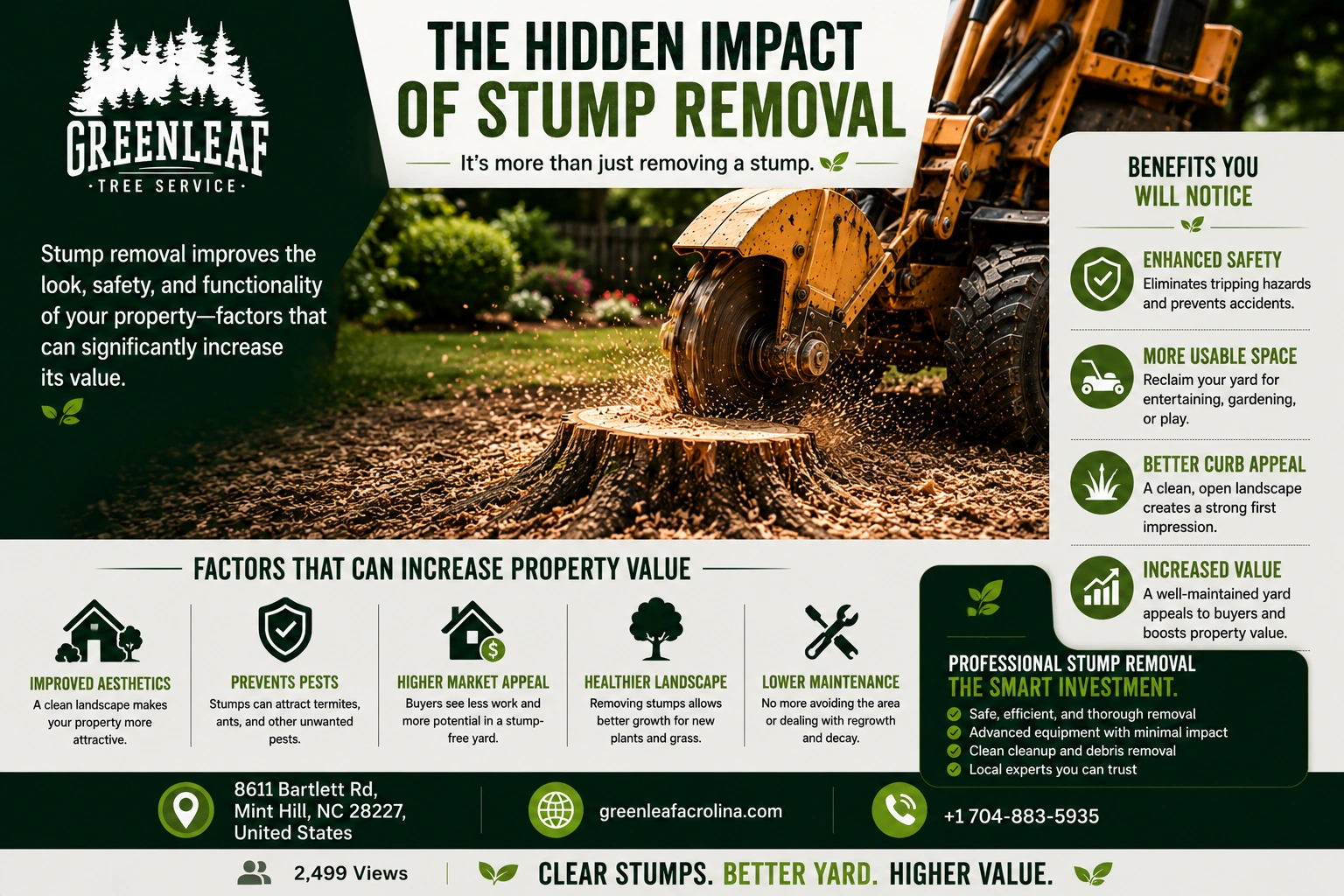
Tree removal is not always the best solution. If a tree is healthy but overgrown, poorly shaped, or interfering with part of the property, trimming may solve the issue while preserving the tree’s benefits.
Tree trimming may be a better option when:
- The tree is structurally sound
- Only a few limbs are dead or overgrown
- Branches are too close to the roof
- The canopy blocks excessive sunlight
- The tree needs shaping for improved curb appeal
- The homeowner wants to preserve shade or privacy
A professional evaluation can help determine whether trimming, pruning, or removal is the most practical choice.
What Will a Tree Service Company Recommend?
A professional recommendation should be based on the specific conditions of the property rather than a one-size-fits-all approach.
Factors commonly considered include:
- Tree health
- Structural stability
- Risk level
- Proximity to structures
- Landscape objectives
- Future property plans
In many situations, alternatives to removal may be appropriate.
Selective pruning, canopy reduction, deadwood removal, and other maintenance practices can often address concerns while preserving the benefits of a healthy tree.
For trees that present significant safety concerns or interfere with future property goals, removal may be recommended.
In cases where the tree remains healthy and structurally sound, ongoing maintenance may provide a practical alternative.
Because every property is unique, the best solution depends on both the tree’s condition and the homeowner’s objectives.

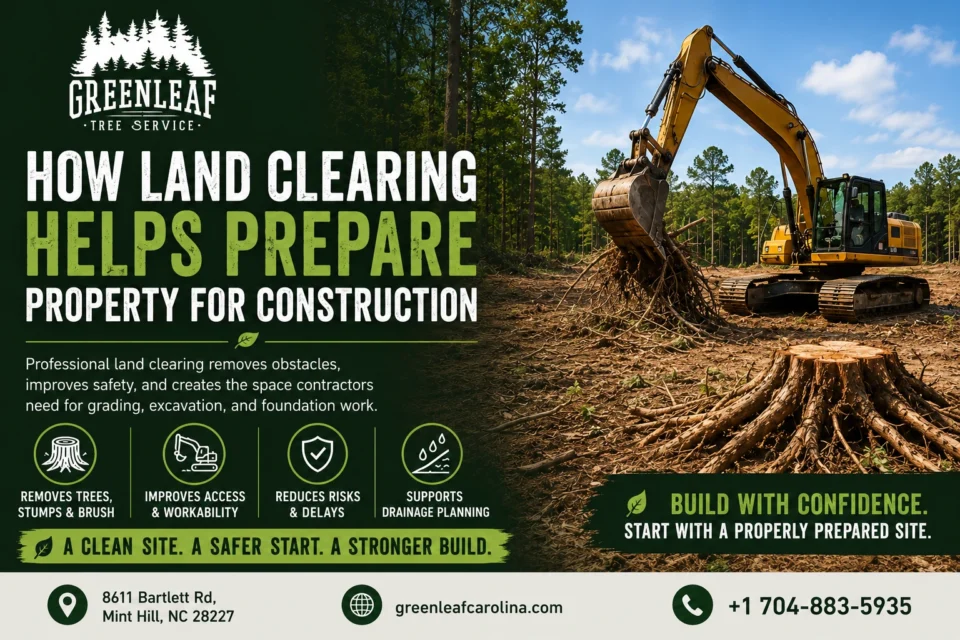
How Land Clearing Helps Prepare Property for Construction
Building a home, office, retail space, or other structure requires more than choosing a design and pouring a foundation. The…
How Green Leaf Carolina Can Help
Deciding whether a tree is helping or hurting property value often requires looking at the bigger picture. Tree health, structural integrity, safety concerns, landscape aesthetics, and future property plans all play important roles in the decision-making process.
Green Leaf Carolina helps homeowners evaluate these factors through professional assessments and informed guidance. Understanding whether a tree contributes positively to the landscape or presents potential risks can help property owners make confident decisions about long-term property management.
For homeowners throughout Charlotte and the surrounding area, local expertise can provide valuable insight into tree species, growth patterns, and property-specific considerations that may affect value, safety, and curb appeal.
If you are unsure whether a tree is helping or hurting your property value, Green Leaf Carolina can evaluate its condition, location, and potential risks. Our team helps homeowners make informed decisions about trimming, removal, and long-term landscape care.
FAQs About Tree Removal and Property Value
Does tree removal always increase property value?
No. Removing a hazardous, diseased, or poorly placed tree may improve property value, but removing a healthy, attractive tree can sometimes reduce the benefits that buyers find desirable.
Can a dead tree lower home value?
Potentially. Dead trees may negatively affect curb appeal, create safety concerns, and reduce buyer confidence.
Are mature trees good for resale value?
In many cases, yes. Healthy mature trees often enhance landscape appeal, provide shade, and contribute positively to a property’s overall character.
Should I remove a tree before selling my home?
It depends on the tree’s condition. Hazardous or visibly declining trees may warrant attention, while healthy trees often remain valuable landscape features.
Is tree trimming better than removal in some situations?
Yes. When a tree is healthy but requires maintenance, trimming may address concerns while preserving the benefits the tree provides.
How can I determine whether a tree is helping or hurting property value?
Evaluating tree health, structural condition, location, safety risks, and landscape impact can help determine whether a tree contributes positively or negatively to the property.
The Right Tree Decision Depends on the Property
Tree removal can increase property value when it addresses safety concerns, improves curb appeal, eliminates maintenance issues, or supports future property goals. However, healthy mature trees often provide significant benefits that contribute positively to a home’s appeal and functionality.
The most effective approach is to evaluate each tree individually based on its health, location, condition, and impact on the property. By balancing aesthetics, safety, and long-term plans, homeowners can make informed decisions that support both property value and landscape health.
Can Tree Removal Increase Property Value?
Dead or overgrown trees can reduce curb appeal and create safety risks. Call today for a professional tree assessment and expert removal.